MY PERSPECTIVE
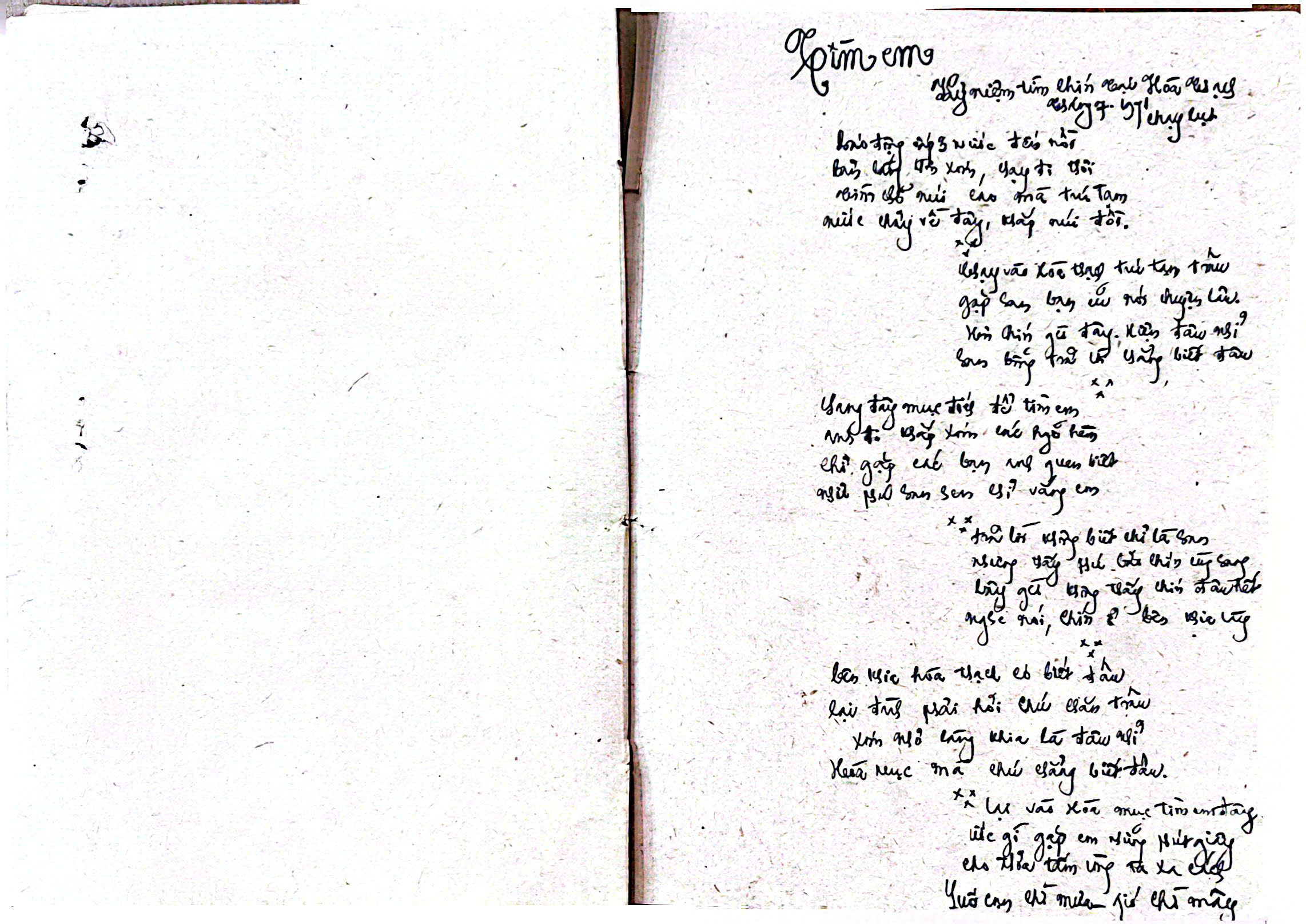
Some books are written in black ink, but others are written with youth, with unwavering faith, and with years that can never be reclaimed.
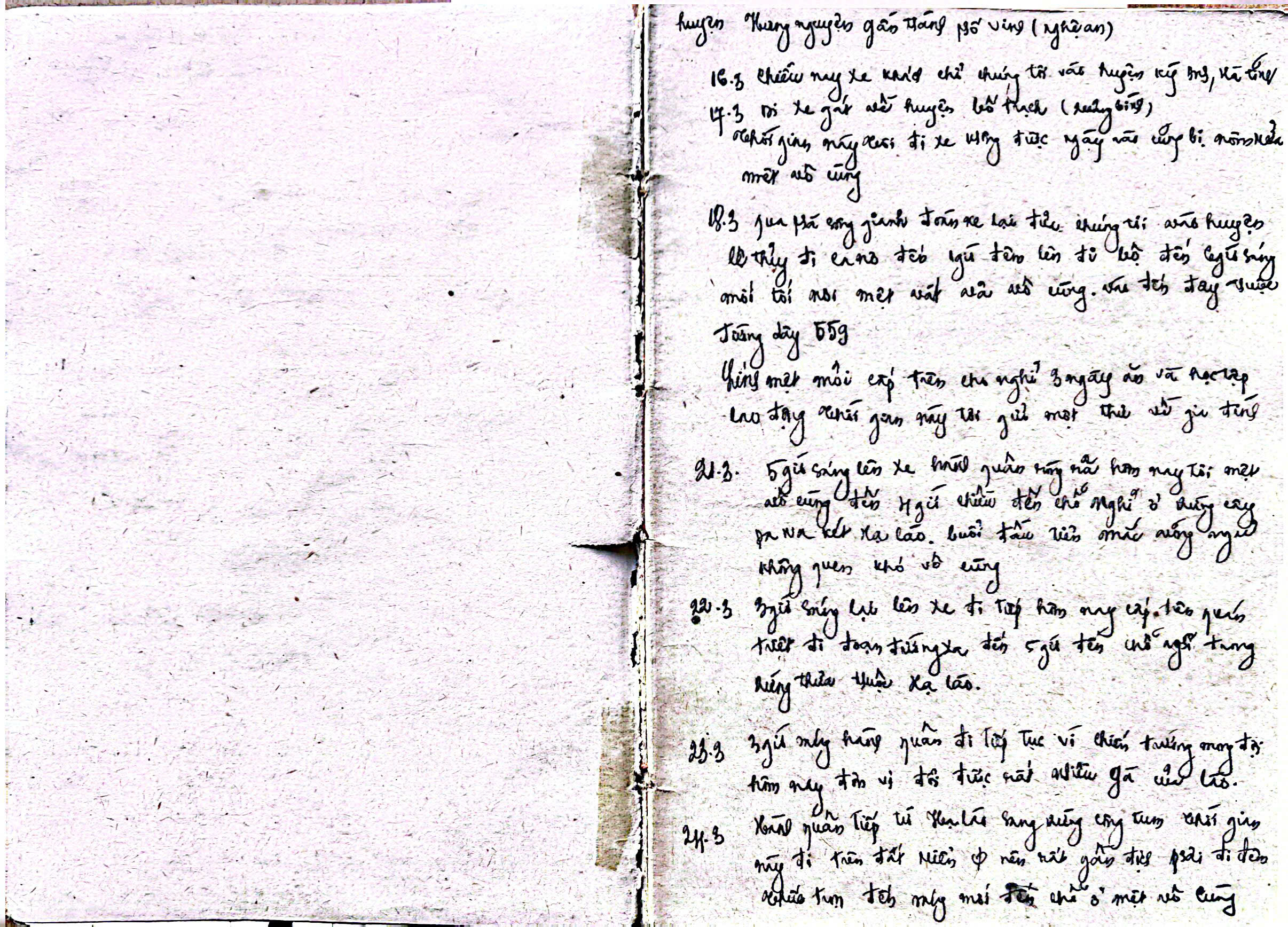
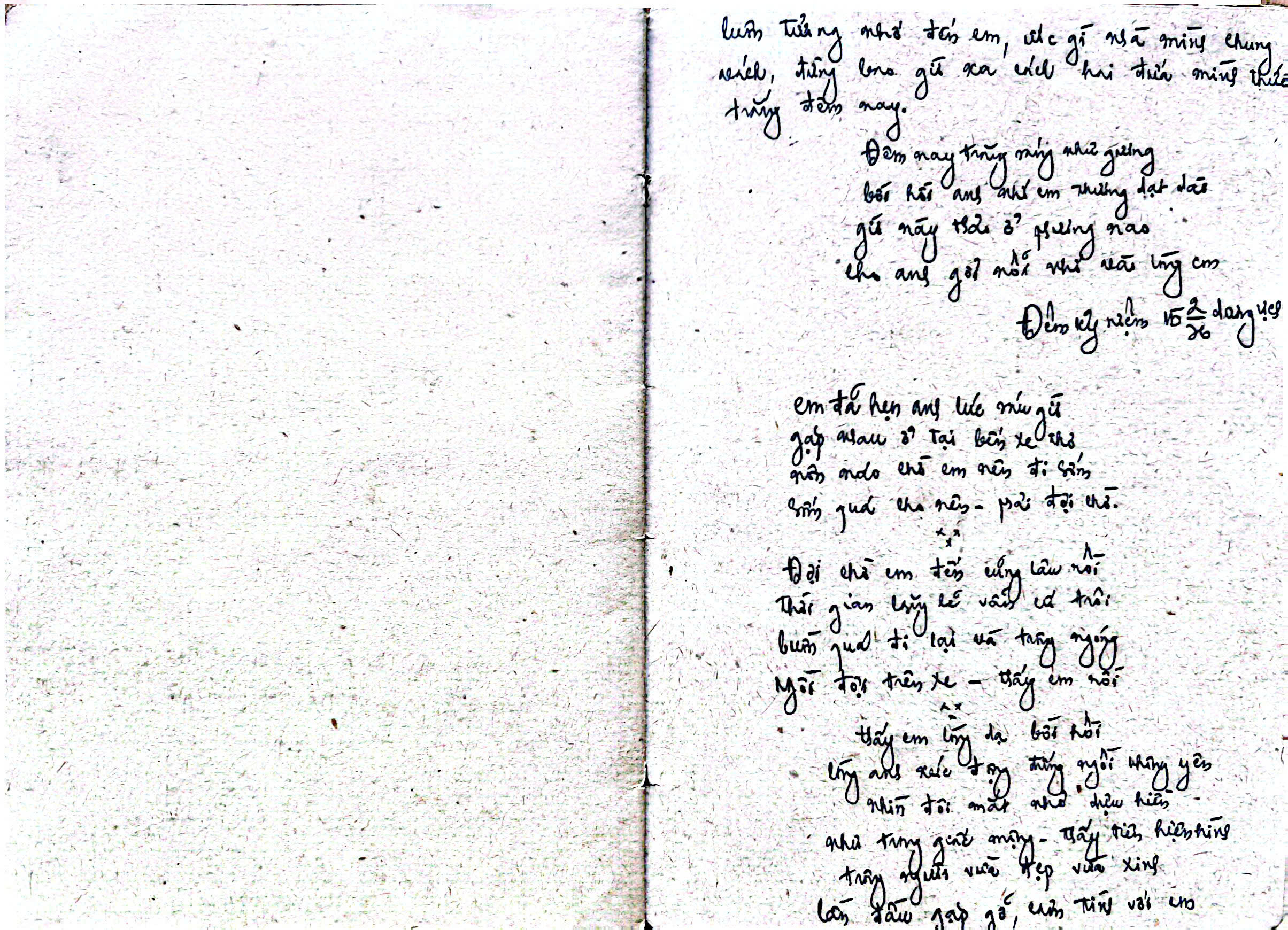
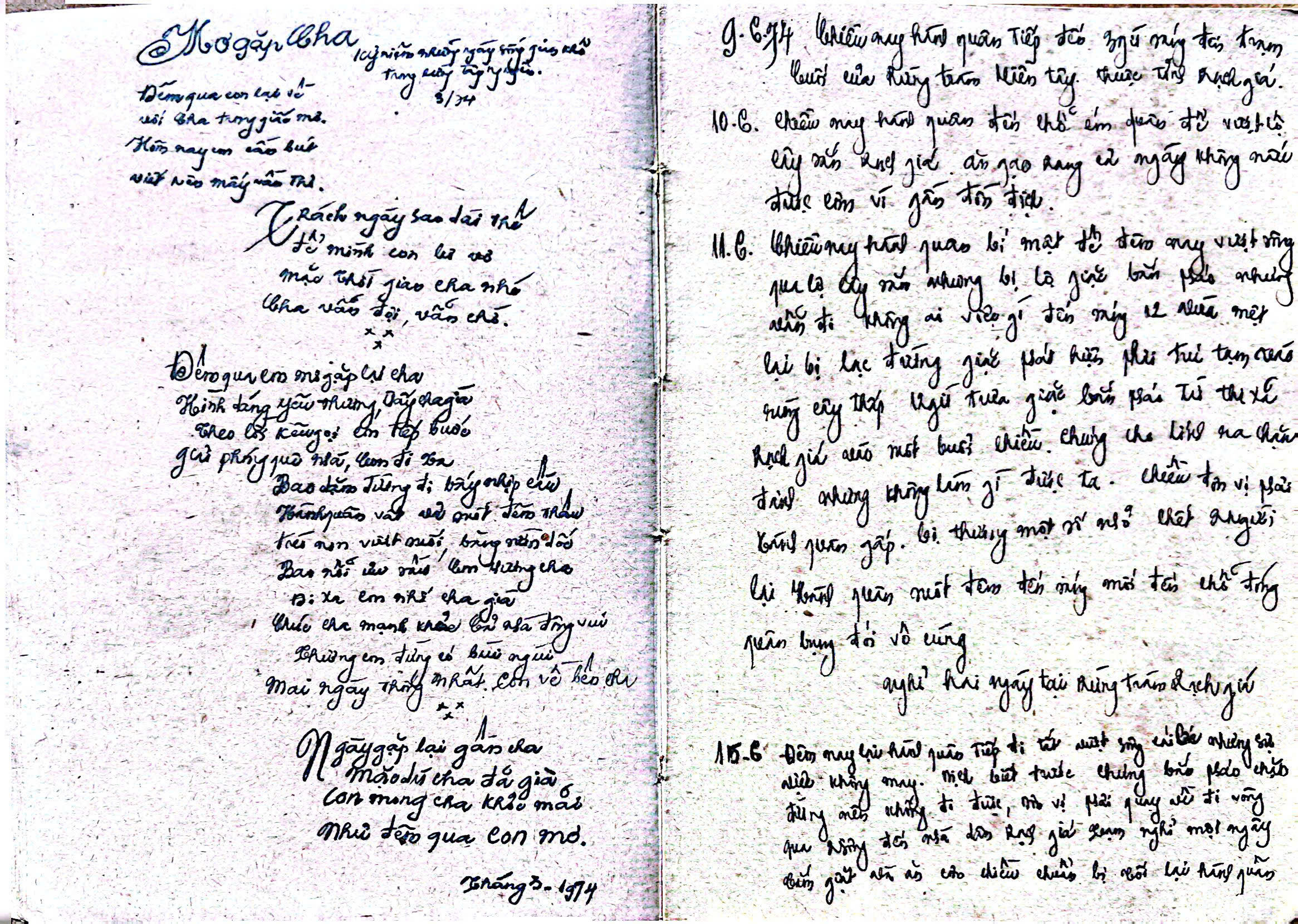
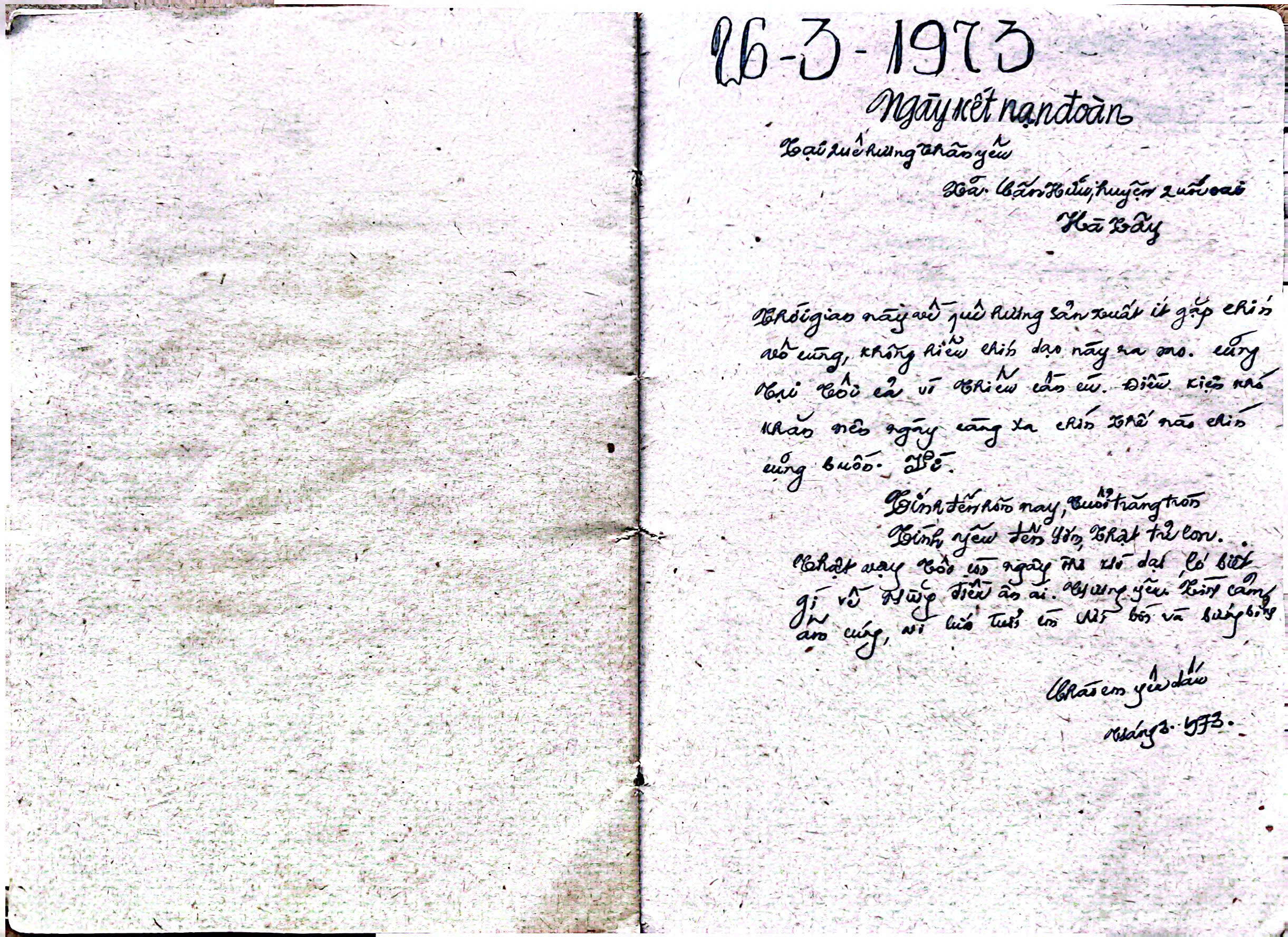
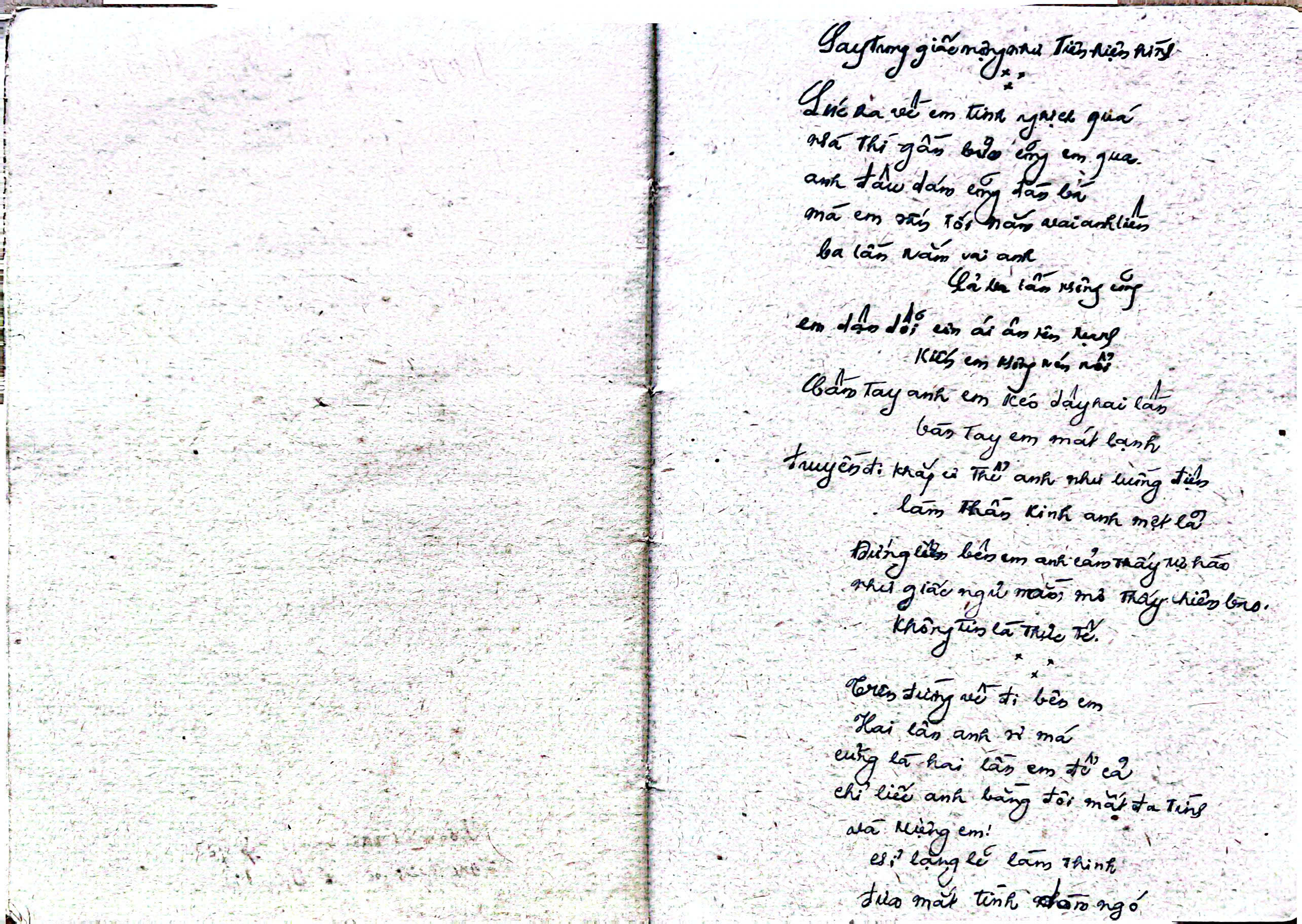
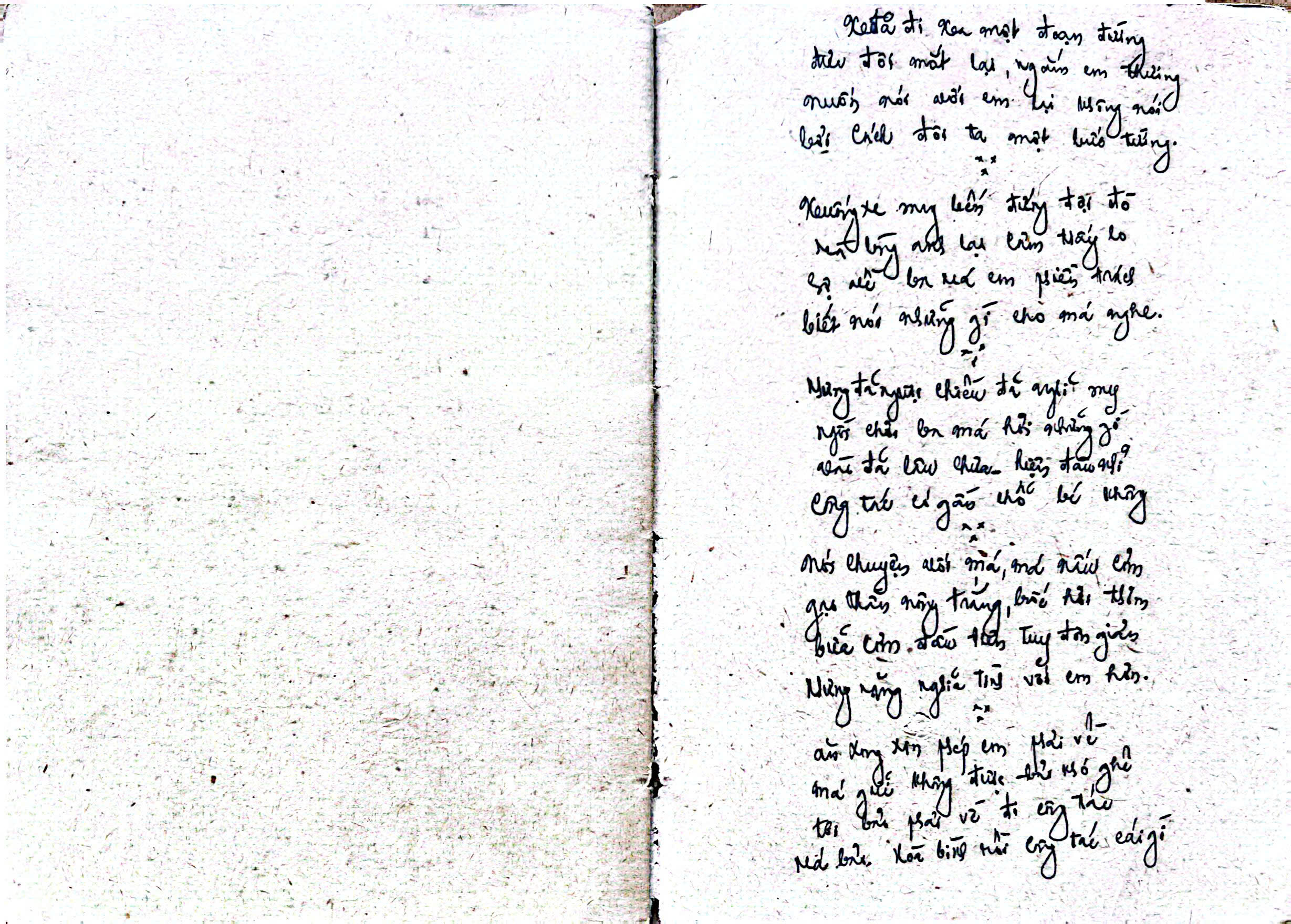
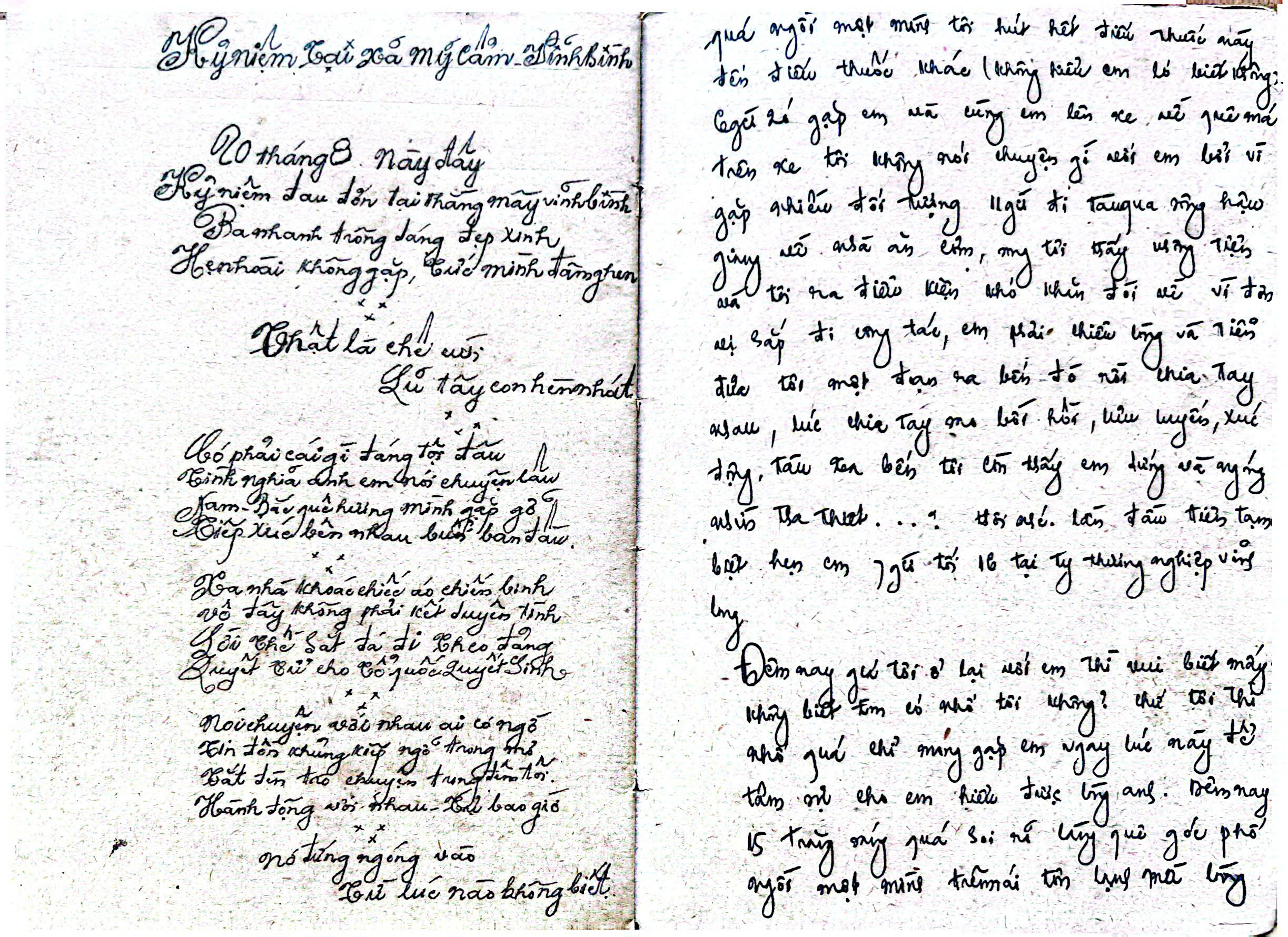
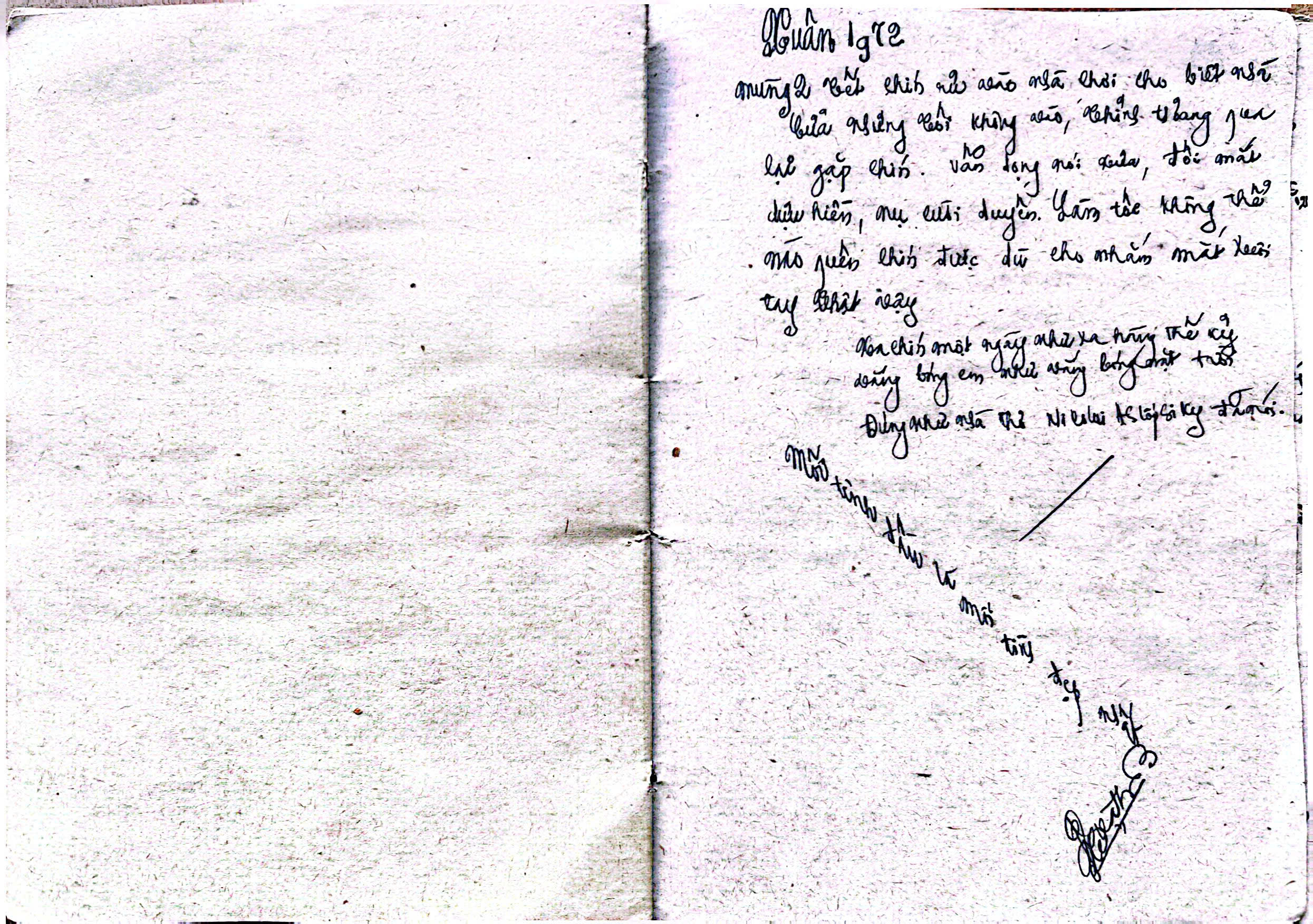
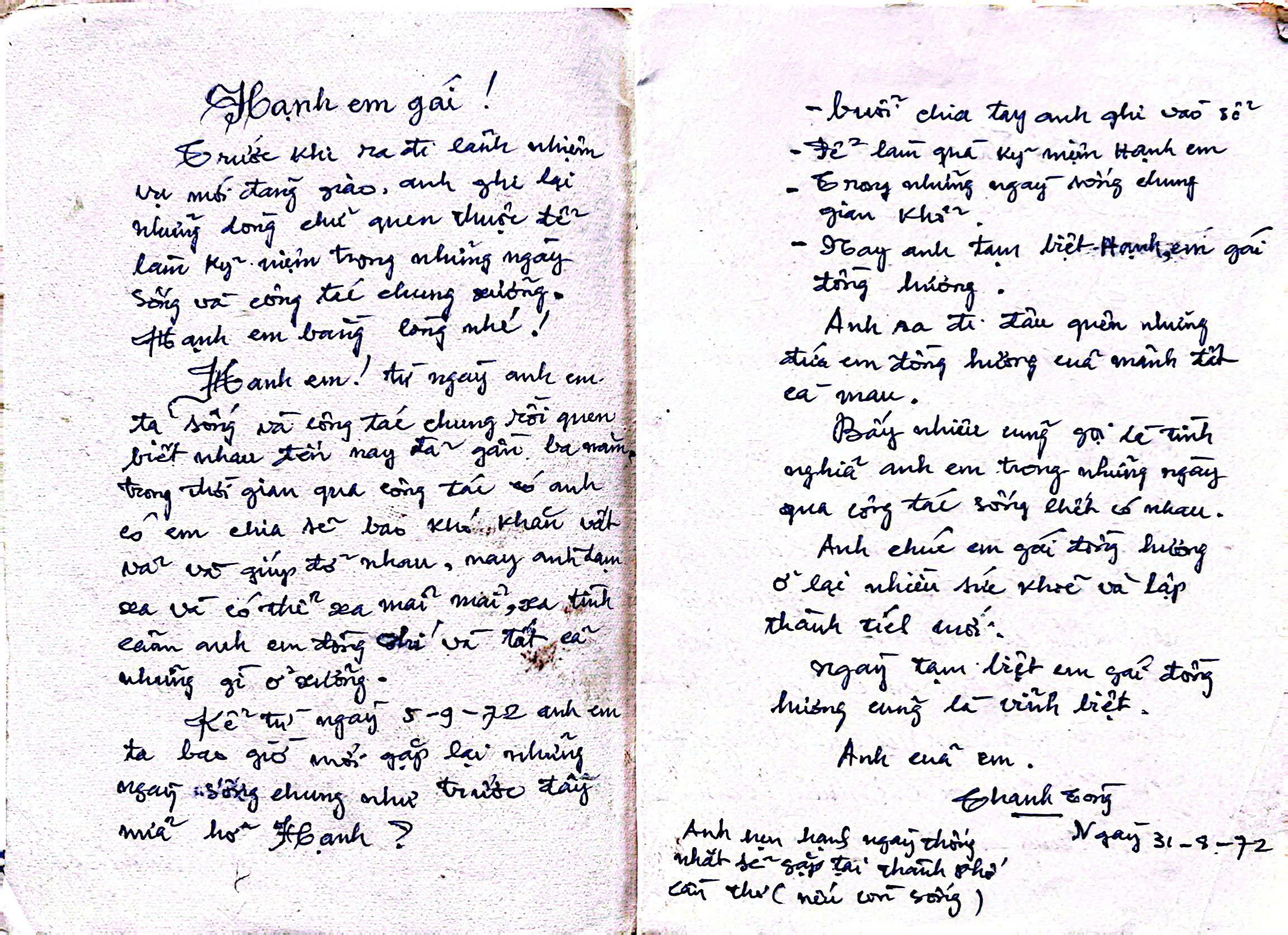
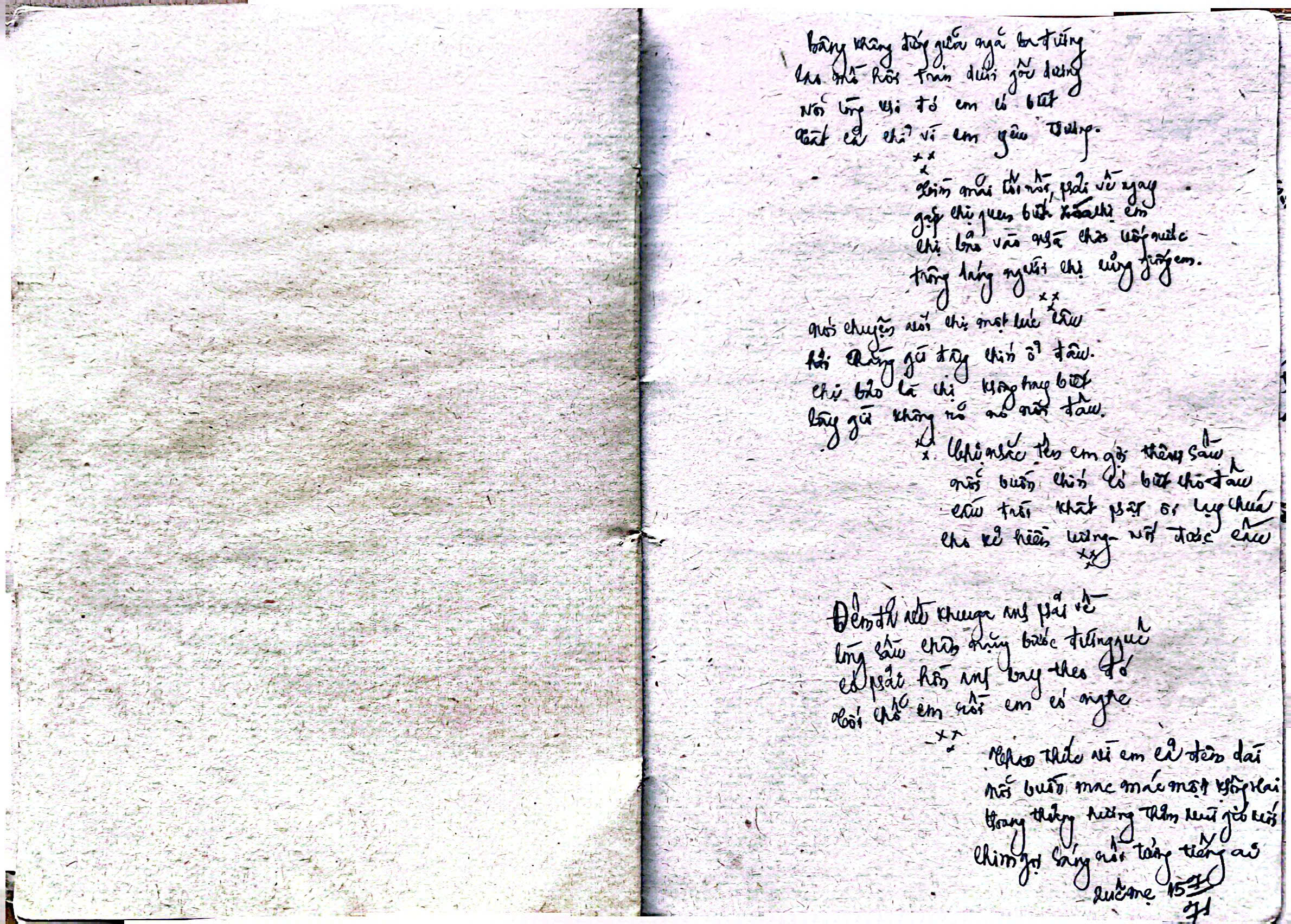
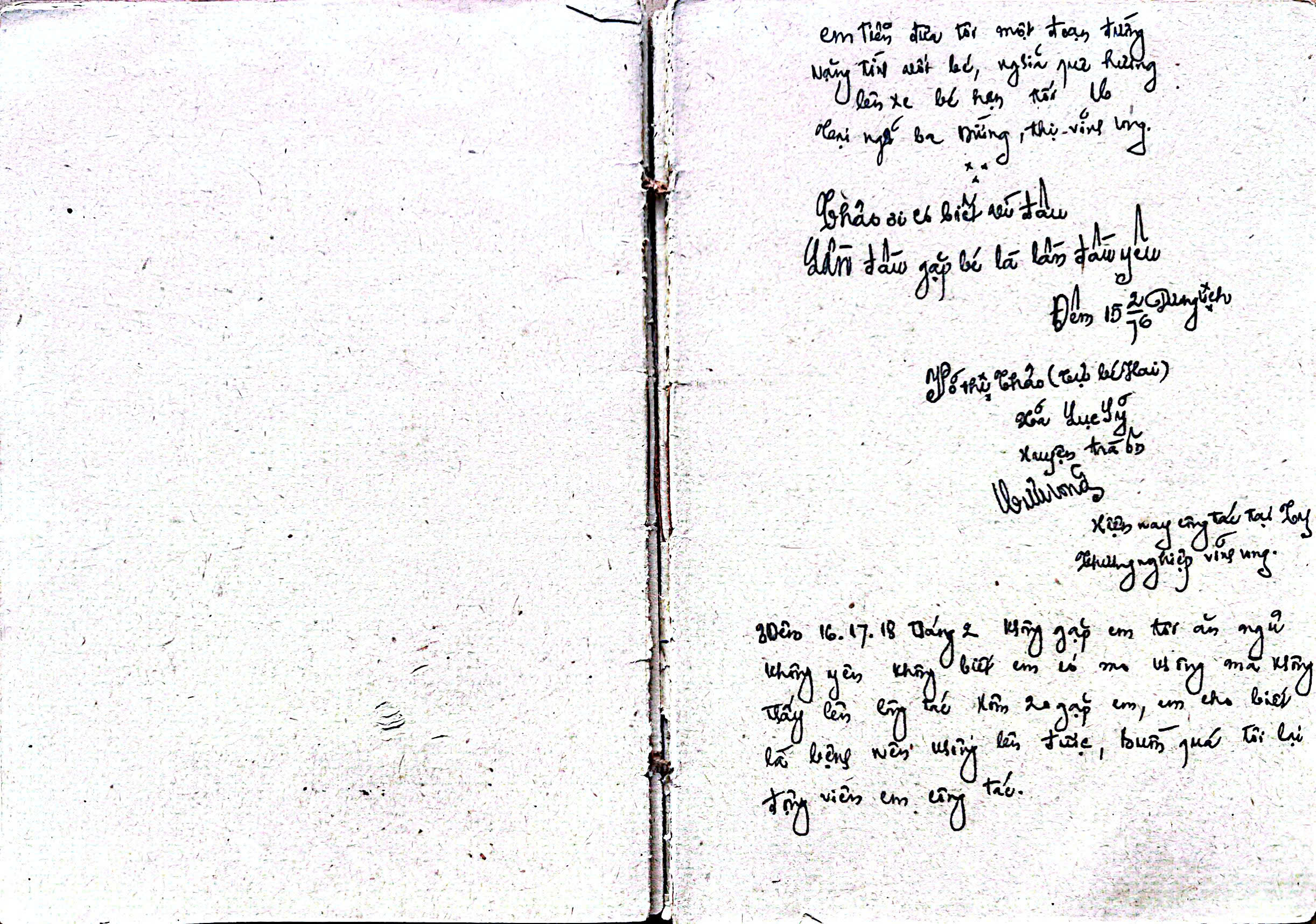
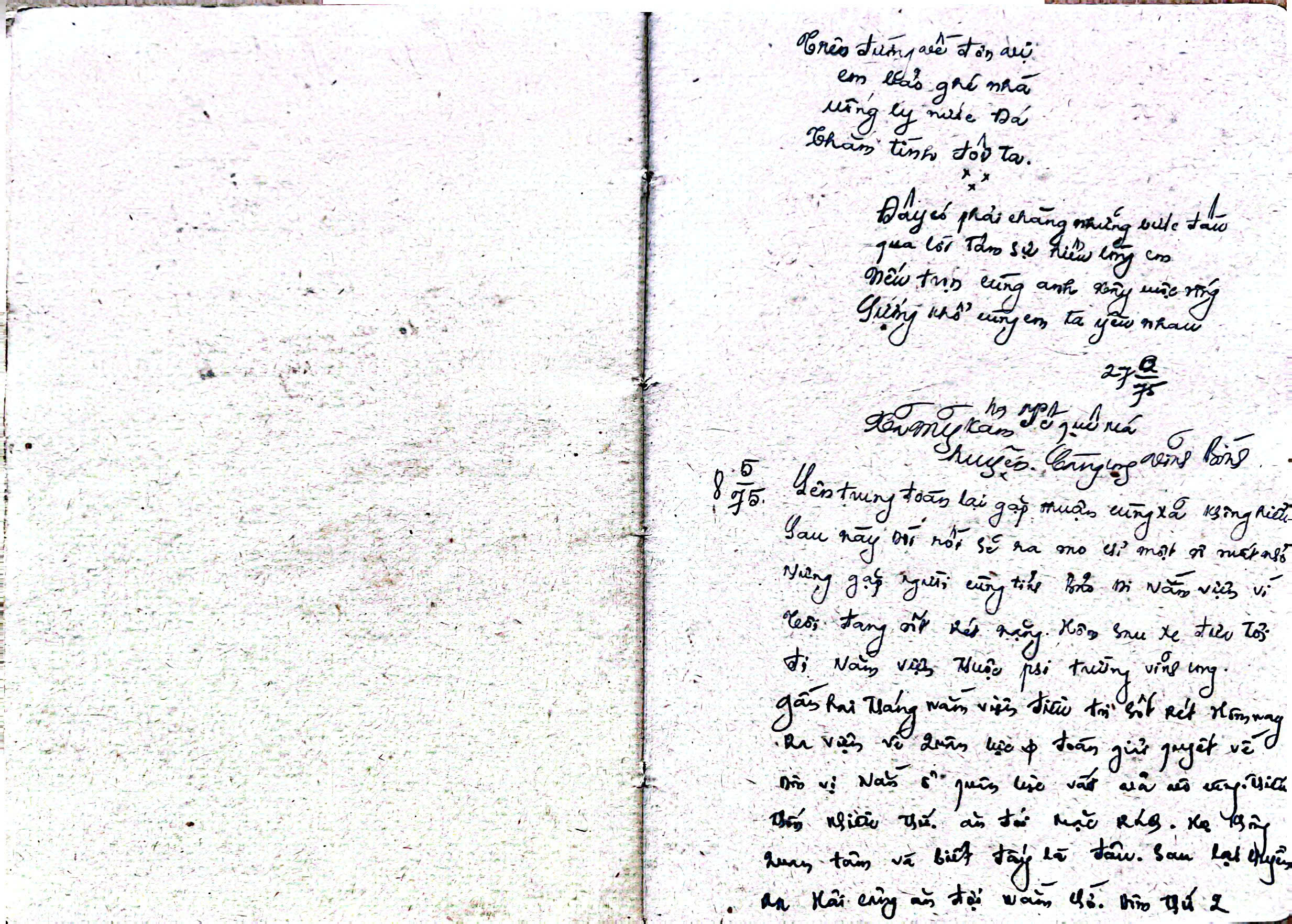
In the midst of war, when life and loss were separated by mere moments, young Vietnamese men and women still opened their notebooks to write. They wrote of family, comradeship, and a love for tomorrow with a hope that never dimmed.
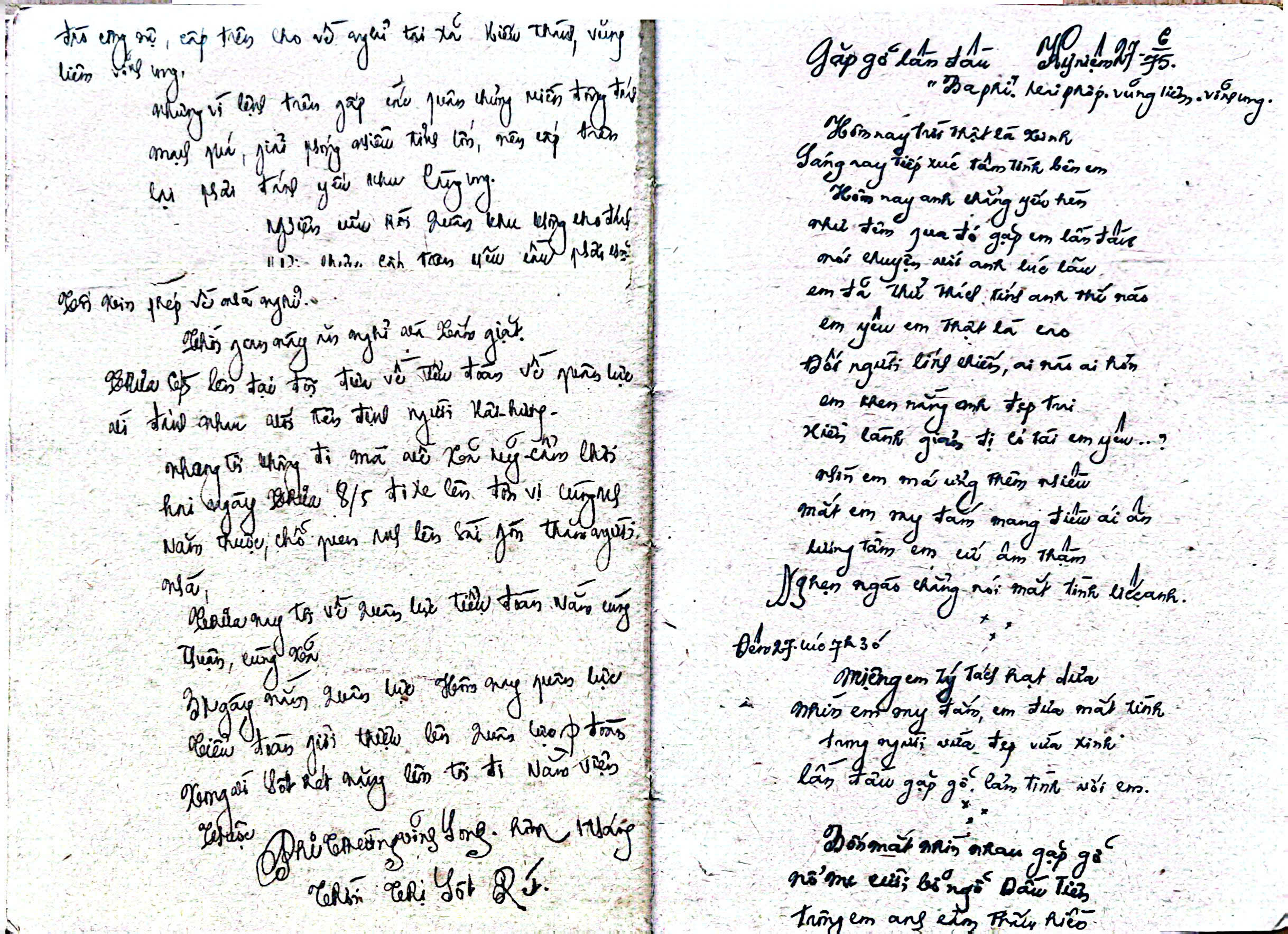
They could not have known that decades later, those very lines would become a timeless message for an entire nation. In her diary entries before entering the battlefield, Dr. Dang Thuy Tram once wrote:
“Despite all hardships, we have prevailed—how much more so today, when our people have grown like the Giant of Phu Dong, supported wholeheartedly by the entire world. We are certain to win. That faith is life itself.”
That faith was nothing distant. It was the hope of a young doctor who, amid dire shortages, still longed to save just one more patient. It was the yearning of a child far from home, always reaching back toward parents' loving arms. It was the heart of a young woman carrying simple, everyday dreams, who chose to place her youth alongside the destiny of her country.
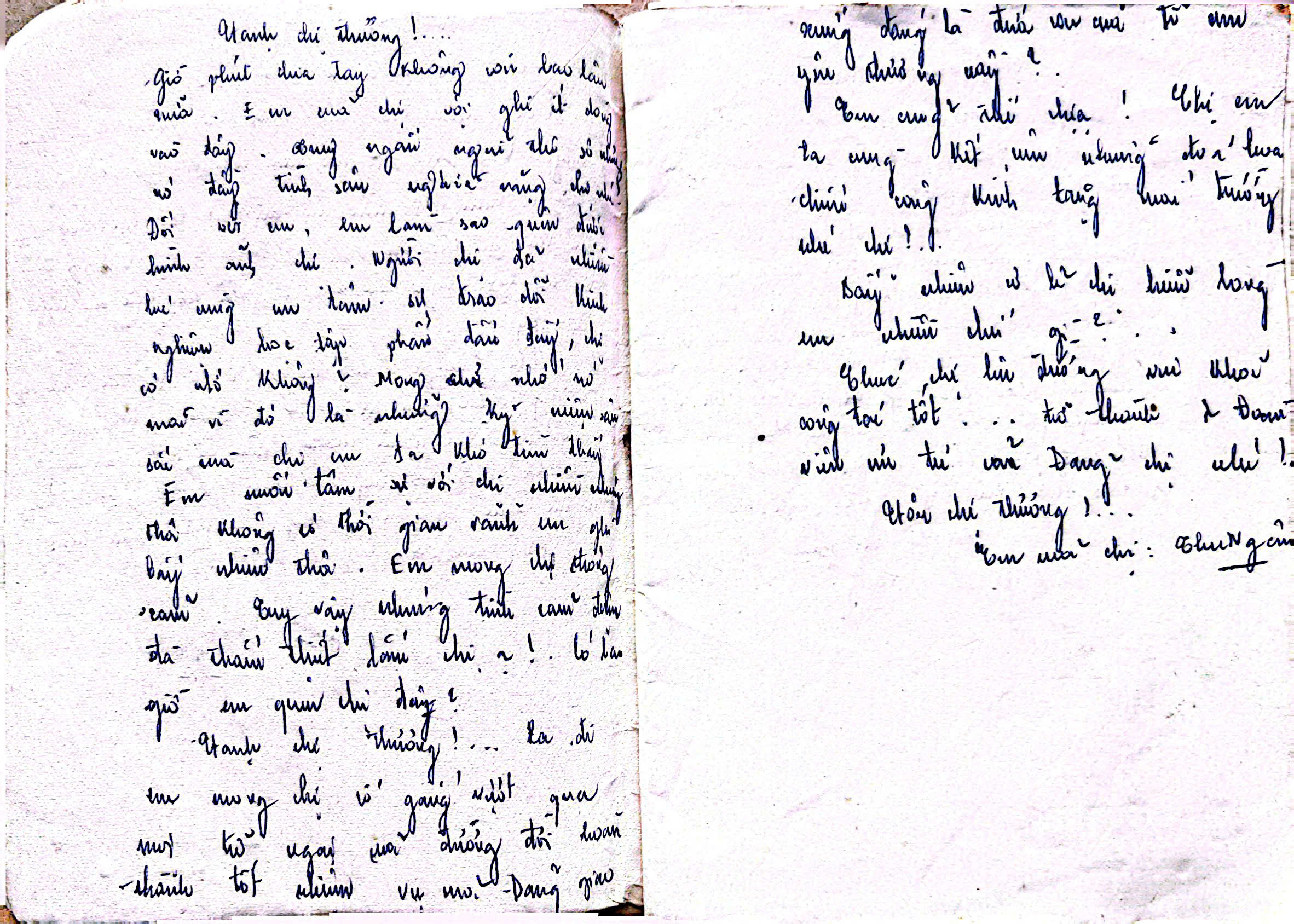
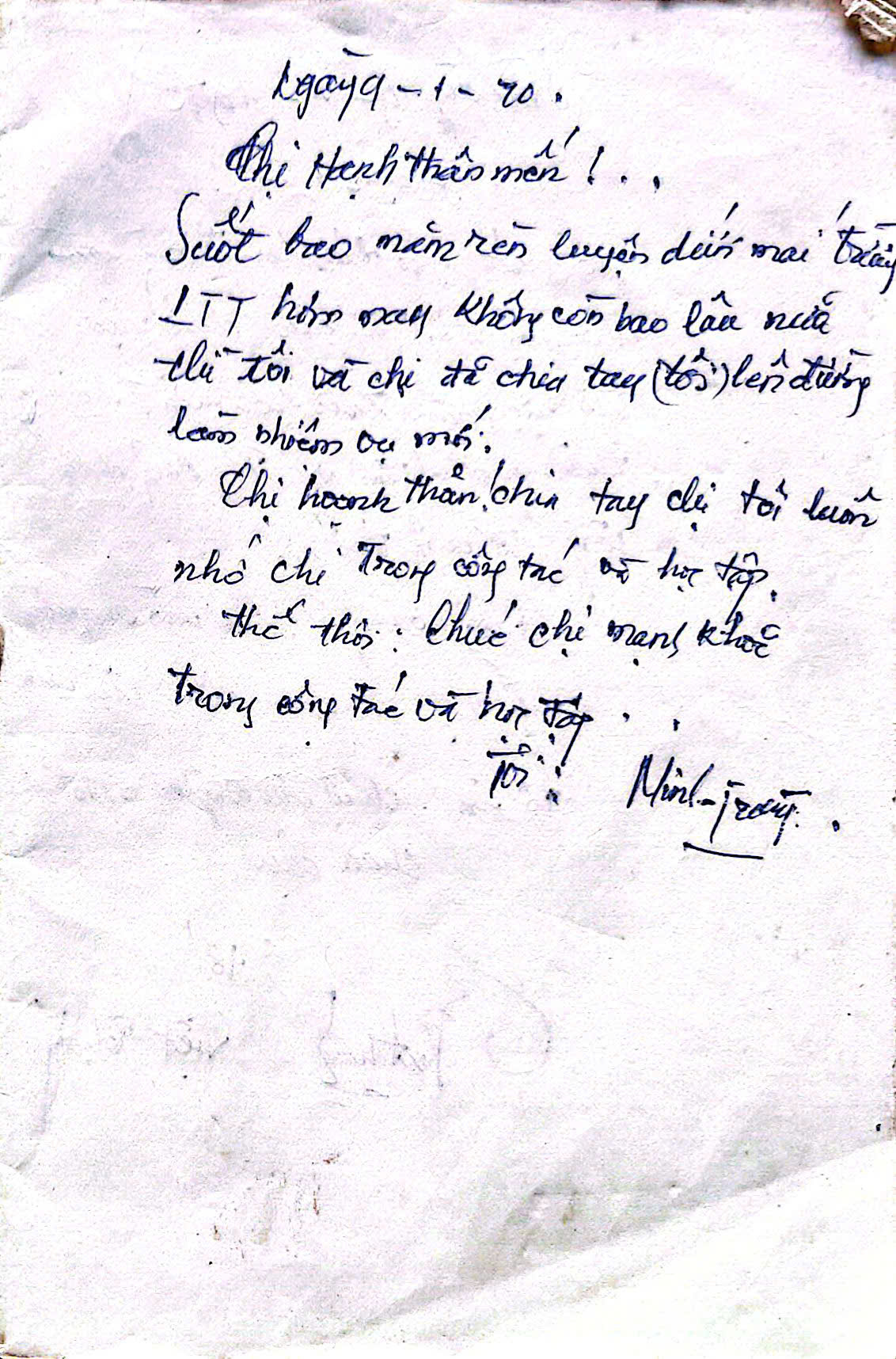
Also in his twenties, Nguyen Van Thac wrote in a letter to his older brother:
“I want these pages to be thoughts on life, on humanity, on existence, and on the truths that anyone living with responsibility must reflect upon…”
He wrote to hold onto what war might sweep away: an afternoon along the march, a pang of homesickness, the face of a comrade, or a promise left unfulfilled.
Those small, fragile pages have crossed the years to teach us a profound truth today: though soldiers possessed fierce courage, deep within them beat souls capable of profound sensitivity, love, aching nostalgia, and an ardent longing for a day of peace.
Vietnamese war poetry preserves that very same beauty.
Chinh Huu closed his poem Comrades (Đồng chí) with four vivid words:
“A rifle barrel holding up the moon.”
An image both steadfast and tender. Below stands a soldier on guard in the freezing night. Above shines the moon of his homeland—of the fields, the rooftops, and the loved ones waiting for his return.
Even amid hardship, soldiers kept a sanctuary of light within their souls: the glow of brotherhood, of patriotism, and of hope for tomorrow.
Years later, along the Truong Son Trail, the poet Pham Tien Duat wrote:
“The trucks roll on for the South ahead: It only takes a single heart within.”
Steel plates gave the convoys physical strength, but it was the human heart that carried them through the fiercest trials—a heart yearning for their compatriots, a heart beating for a unified and independent nation, a heart believing that one day, homes would be warm again, families would reunite, and the laughter of children would echo across a peaceful land.
Today, we reread these wartime diaries and poetry to truly grasp the worth of peace. We come to realize that every quiet road, every lit classroom, and every warm family meal today was bought with countless years of youth from those who came before us. Some returned, while others remained forever twenty.
Yet all of them left us a quiet testament: to live worthily, to act with greater responsibility, to love more deeply, to place the well-being of our homeland alongside our personal dreams, and above all, to cherish and protect peace with compassion, unity, and gratitude.
Diary pages will yellow with time. Verses will pass through generations. But the patriotism, the sacrifice, and the faith of those young souls will never fade. For they wrote their twenties into history… so that we today may write our youth in peace.